Showing posts with label Religion-Hinduism. Show all posts

Sunday, 6 January 2013

AR Rahman - An indian, Tamil musical legend


This article was published in Times of India.Thanks to rahmanism for finding this wonderful articles. 

  • Nine-year-old Dileep Kumar a.k.a A R Rahman slept late, played carrom and hated waking up at 7 a.m to practice at the piano!
  • Asked to leave school due to lack of attendance, he quit studies at the age of 15.
  • When Rahman’s sister fell seriously ill in 1988, Pir Qadri, who cured her, advised the family to convert to Islam and they did!
  • Dileep had a choice of seven names during his conversion. He chose Allah Rakha Rahman.
  • Call it a filmi coincidence, his name was Dileep Kumar before he converted to Islam and his wife’s name is Saira Bano!
  • His nickname is Isai Puyal.
  • Rahman is closest to his mother Kasturi who converted to Kareema Begum.
  • A true believer, he offers namaaz five times a day.
  • Is superstitious about starting work according to the prayer time in the place of worship close to his heart!
  • The maestro loves eating rasam-rice. When busy, he eats lunch at 5 p.m and dinner after midnight!
  • Rahman lives in a small two-storey bungalow in Kodambakkam.
  • He has three kids Khatija (13), Rahima (10), and son Ameen (5).


  • His mother spotted Saira at a dargah and sent a marriage proposal right away!
  • Saira Banu is the sister-in-law of Tamil actor Rahman and the daughter of a Chennai-based businessman from Kutch.
  • The musician's wife likes to “dress him up” for important occasions; he is mostly dressed in black.
  • Rahman loves to shop for music records at the Virgin Records store in New York. Once he landed in NY at 2 a.m and dashed off to the store.
  • In Chennai, Rahman takes his family and friends to a Thai joint located behind The Park Sheraton.
  • Rahman's long-time associate drummer Shivamani once cooked fish curry for him in London while he was working on Bombay Dreams. Rahman loved it. He's a non-veg but has suddenly stopped eating prawns.


  • His Man Friday Swamidurai, fondly called Swami, has been with him since the begining of his career.
  • As a bachelor, he used to often use the abbreviation LFA, which stood for ‘Love Failures Association’!
  • Rahman usually sees his children off to school before he sleeps after working nights!
  • He does not let his wife or children inside the studio when he’s working.
  • Khatija doesn’t like her dad signing autographs in school and has asked him not to come there.
  • Rahman’s son shares his birthday with him.


  • The old keyboard that he used to play as a teenager is still displayed in his studio.
  • A master with instruments, he likes dismantling parts and assembling them.
  • A good mimic, he loves to imitate lyricist Vairamuthu, who in turn mimics Rahman’s style of walking!
  • Rahman usually works in the night but he’s made an exception for SP Balasubramaniam whose songs have all been recorded before 10 pm.
  • He likes listening to songs based on the raaga Sindhu Bhairavi.
  • When Subhash Ghai once told Rahman during the music of Taal that he would once win an Oscar, Rahman laughed and reply that Indians can’t.
  • Jai Ho was initially composed for Yuvvraaj!


Thanks: Google & rahmanism

Click here to know facts about indian education system a remedy

Click here to know worlds smallest phone

Saturday, 5 January 2013

Amazing cars must see

Amazing cars to sit and drive atleast once before Die.


Click here to see 10 most expensive cars 2011

Click here for must read advices for used used car buyers

Friday, 4 January 2013

Top 10 New Year resolutions

Did your New Year resolutions make our top ten list?

1. Spend More Time with Family & Friends

Make plans to meet up with friends for an evening of comaraderie at a favorite restaurant or take the family to one of the popular places for family fun. Work shouldn't always come first!

2. Fit in Fitness

The evidence is in for fitness. Regular exercise has been associated with more health benefits than anything else known to man. In short, exercise keeps you healthy and makes you look and feel better.

3. Tame the Bulge

Setting reasonable goals and staying focused are the two most important factors in sticking with a weight loss program.

4. Quit Smoking

Even if you've tried to quit before and failed, don't let it get you down. On average, smokers try about four times before they quit for good. Start enjoying the rest of your smoke-free life!

5. Enjoy Life More

It's an important step to a happier and healthier you! just get out and try something new! Take up a new hobby or try your hand at skiing. Go to a theater performance, or head to the local spa. .

6. Quit Drinking

If you have decided that you want to stop drinking, there is a world of help and support available.

7. Get Out of Debt

Was money a big source of stress in your life last year? Join who have resolved to spend this year getting a handle on their finances. It's a promise that will repay itself many times over in the year ahead.

8. Learn Something New

Have you vowed to make this year the year to learn something new? Perhaps you are considering a career change, want to learn a new language, or just how to fix your computer? Whether you take a course or read a book, you'll find education to be one of the easiest, most motivating New Year's resolutions to keep.

9. Help Others

A popular, non-selfish New Year's resolution, volunteerism can take many forms. Whether you choose to spend time helping out at your local library, mentoring a child, or building a house, there are many nonprofit volunteer organizations that could really use your help.

10. Get Organized

On just about every New Year resolution top ten list, organization can be a very reasonable goal. Whether you want your home organized enough that you can invite someone over on a whim, or your office organized enough that you can find the stapler when you need it.
 
Source: pittsburgh.about.com
 
Click here if you need tips and mistakes to avoid when buying a used car.

Wednesday, 2 January 2013

2013 calendar - in days count

Click here to see monthly 2013 calendar.
 
Click here to find out very important tips for students travelling to the UK.


2013 Calendar

Julian 2013 Calendar
Click here for Julian 2013 Calendar with days count for complete year.

Click here to find out that Mayans Origin in Ancient Tamilnadu, South India???


Ebayers - Must read 2


Step 3: Bidding tips to bag a bargain
Once you’ve spotted listing you like, it’s time to bid right and close the deal.

  • Snipe your way to a bargain
    Spotted something you want to buy? The last thing you should ever do is bid on it! Bid early and competing buyers will bid back, forcing the price upwards. Instead, sneakily win auctions by swooping in and delivering a killer bid about 10 seconds before, leaving no time for others to fight back.

    Sniping websites automatically bid on your behalf. Here, you simply sign up, enter an eBay* item number and the highest price you’re willing to pay (this also stops you getting carried away in the heat of a last minute bidding war). Goofbay.com has a free auction sniper, or alternatively, the more reliable Bidnip.com charges roughly 35 cents (17p) per auction won.
    A big warning! You need to give these sites your eBay password for them to work, which is a serious security concern. While feedback has generally been good from MoneySavers, there's little protection from eBay if things ever do go wrong, as you have willingly given your password to a third party. If you do sign up, never use the name password for eBay as you do for other accounts like banks or email.
  • Manipulate eBay ‘best offers’
    Some sellers specify that they’ll consider ‘best offers’. This is where you propose a figure, then they mull it over and tell you if it’s a goer. Yet, because sellers often sell the same item repeatedly, especially electricals, there’s a loophole to see which prices they’ve already accepted, and lower your best offer accordingly.
    To do this, click on “advanced search”, tell it what you want, and check the show only “best offers” box. Once you’ve found a product which accepts best offers, click to view the sellers other items, on the top right hand side of the page. On the next page, click “completed items”, to see all the items that seller has already sold. Look at the items that say best offer by it, and, bingo: you can see the lowest price they’ve accepted.
  • Arrange your own postage
    Some sellers try to supplement their income by charging excessive delivery rates. If this happens, ask if you can arrange your own postage. Then have a courier pick up the item and deliver it to your house. For a full guide to this and finding a mega-cheap courier, read the Cheap Parcel Delivery article.

Step 4: Scam busting tips
In it’s essence, eBay’s a simple marketplace and it takes only limited responsibility for what goes on there. This means that, while it's easy to snap up a scorcher, it's just as easy to get burnt.
If you’re new to eBay, it’s a good idea to learn the ropes by making a couple of small purchases, such as books or CDs, before graduating to more costly items. The following should help you avoid common cons.
  • Check you're bidding on the item itself.
    While scare con stories of ebay are abound, with a bit of common sense, it’s fairly easy to stay safe. Most sellers are decent types, who want to protect their feedback scores. If you’re new to eBay and want to check whether an item’s legit, why not post it on the eBay board, where experts will tell you whether it looks kosher.
    Sometimes it seems you're bidding for an object on eBay*, when all that's actually up for grabs is a link to a site selling it. E.g. it only takes a few minutes after logging onto eBay to find a link to a £200 laptop sale, where inspection of the small print reveals it's actually selling a link to a discount laptop site.
    Always read the whole description in detail before bidding. Often the catch is hidden in the tiny text at the end – an attempt to protect the seller from any comeback.
  • Know your rights.
    Use the 'Buy It Now' button, rather than a standard auction, to buy from a UK based trader on eBay, and you've all the same statutory rights as buying from a shop (see the Consumer Rights article). A trader is someone who makes some or all of their living from regularly selling goods. Technically it's up to the courts to decide but it's usually pretty obvious.
    Buy from a private individual and the law says “let the buyer beware”. Providing your purchase arrives ‘as described' there's little legal comeback (assuming you can trace them anyway) and the standard seven day internet cooling-off period usually doesn't apply to auction purchases.
  • Take feedback with dose of skepticism.
    eBay sellers have a ‘feedback' rating which acts as a useful guide to whether they've dealt fairly in the past. As a guideline, look for a seller with over 98% positive feedback, and a high feedback score of at least 30. Never buy an expensive item from a seller with zero feedback, as it means they’ve never sold before.
    Remember that feedback is useful but not infallible. One thing to watch for is traders flogging a few tiny things for 10p each to build their feedback, and suddenly listing 15 mobile phones at £200 a pop.
    Normally, viewing a sellers’ negative feedback means trawling through reams of comments, but a handy tool lets you view it instantly. Just in a seller name into negative feedback checker Toolhaus, and it’ll expose all the negative/neutral comments.

eBay is not the only site
While eBay is hugely dominant, there are alternatives which can yield decent bargains.
  • Free Classified Ads
    Perhaps the fasted growing trend is for offloading gear on a free classified site, the power-puncher of these is Gumtree* which divides the UK into different towns. It sells anything from bikes to beds and doesn't charge either the buyer or the seller (except for job ads).
    Interestingly Gumtree is owned by eBay, it was bought in May 2005, probably as eBay started to identify it as competition. Thankfully it hasn't impacted its free community-based operations.
  • Other Auction Sites
    While eBay is massively dominant ebid* is also a sizeable auction site. Its advantage is it charges sellers less than eBay, which means some prefer it. So if you're searching for something specific, it's worth adding it to your search. A useful website, auctionlotwatch.co.uk is a shopbot for online auctions. Search for an item and it trawls the four big auction sites for you.
  • Amazon & Play
    Amazon* and now Play* have second hand marketplaces, for most of the products they sell new, and these can actually hold a candle to eBay's size. Do a normal search for something on the site, and if there's a second hand version available, it's listed. It primarily operates as a fixed price rather than an auction, making it an easy alternative.

Get it for free!

It’s even possible to bagsy stuff for free. There are several environmentally friendly and cheap alternative to auctions sites, where users give away items they no longer want. The idea's that folks ‘recycle' goods they'd otherwise have thrown out; some of the stuff is junk, some are top notch goods from generous people. For a step-by-step guide on give-away websites, including Freecycle and others, showing how to use them best, read the Freecycle guide.
 
Credits: Moneysavingexperts


Tuesday, 1 January 2013

Top 5 phones to buy 2013


1. Apple iPhone 5


Apple’s iPhone 5 is an amazing performer with great battery life wrapped in a delicious shell. It’s a top-shelf device. Performance and battery life Two times faster? Twice the graphics performance? Better battery life? Actually, yes. The iPhone 5 over-delivers on all those promises. Running the Geekbench test suite on the iPhone 4S gave us an average score of 634. The iPhone 5 netted an average of 1,628

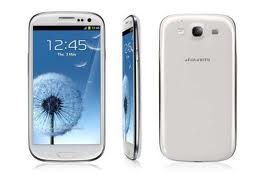
2. Samsung Galaxy S III


With the Samsung Galaxy S III (S3), Samsung has completed it again. For the third consecutive year, its flagship Galaxy cellphone is a tidy package deal of top-flight specs, approachable design, regular efficiency, and compelling pricing. Beginning its U.S. gross sales debut with 5 carriers — Verizon, AT&T, Sprint, T-Mobile, and U.S. Cellular — makes this smartphone almost ubiquitous.

3. HTC Droid DNA


HTC Droid DNA beautifully designed HTC Droid DNA features a quad-core processor, Android 4.1 Jelly Bean, 4G LTE, a sharp 5-inch screen, an excellent camera, and long battery life. Design Measuring 5.5 x 2.7 x 0.38 inches and weighing 5 ounces, the DNA is narrower than the Samsung Galaxy S III, but not as thin or light (5.4 x 2.8 x 0.3 inches, 4.7 ounces). This HTC is certainly easier to use with one hand than the freakishly largeGalaxy Note II (5.9 x 3.2 x 0.37 inches).

4. Motorola Droid Razr Maxx


Motorola’s celebrating an important milestone with Motorola Atrix HD: it’s the company’s first smartphone to ship with Ice Cream Sandwich already on board. The question is, will it be roughly the same user experience as we’ve already seen on the Droid RAZR and RAZR Maxx? How much of an impact did AT&T have on the firmware this time around?. Motorola Atrix HD continues this trend; there’s nothing terribly wrong with this 8-megapixel shooter, but it’s hardly a bellwether for newer devices…

5. Nokia Lumia 920


The Nokia Lumia 920 forges new Windows Phone ground with wi-fi charging assist and a highly sensitive display you need to use with gloves. Moreover, Nokia helps fill in Windows Phone OS gaps with just a few missing features. The Nokia Lumia 920 is the flagship handset from the Finnish firm, however it’s no longer Microsoft’s darling gadget, with the HTC 8X chosen because the signature windows Cellphone 8 handset.

Courtesy: technomild & Google pics

Mobile phone buyers uk read this before
Expensive Mobile phones in the world


2013 Top 6 predictions - Must read

 1. "axis of evil"?


Remember that infamous phrase "axis of evil"? This year tough decisions will be made on Syria, Iran, and North Korea.
2012 ended with strong statements by some Western leaders that they will accelerate support to Syrian rebels. This will be the year of a post-Assad order but "transition" looks set to be bloody.
What is the "or else" if negotiations with Iran over its nuclear programme don't succeed by the Spring? 

2. US and China co-operate or clash ?


In news terms it will continue to be the Arab uprisings, but I am more interested in whether the US and China co-operate or clash in the Pacific.
The US economy will come back strongly and, surprisingly, manufacturing will play an important role. This will be largely based on growing US energy independence. Europe will slip further back, with crisis as the new normal. 

3. economic strategy


Markets will decide that the eurozone is going to pull together, but Europe will still be a big story thanks to worries about Spain and Italy and a tussle between the French president and German chancellor over economic strategy.
Confidence is likely to return to European markets raising questions why the feel-good factor hasn't crossed the Channel, and growing momentum in favour of Britain leaving the EU.

4. Syria's civil war


Syria's civil war deepens, spreading the poison of sectarian and ethnic violence. The Assad regime will fall.
Iran moves closer to the ability to make a nuclear weapon. There will not be outside intervention in Iran in 2013, but it will be close-run.
Prospects for a negotiated settlement between Israelis and Palestinians continue to fade.

5. The web will go truly mobile

 
The web will go truly mobile, with more people getting online via mobile devices than PCs - and the battle for control will get even fiercer.

Google's Android system and Apple's iPhones and iPads will continue to carve up the market. Microsoft's Windows 8phones, and RIM's Blackberry 10 out in January, will battle for third place - though neither will make much of an impression on the big two.

6. Londonderry's year as the UK City of Culture

 
Londonderry's year as the UK City of Culture hopes to generate much international interest. It features home-grown shows such as Teenage Kicks: A Punk Musical, and the Turner Prize, which will be awarded outside England for the first time. Also receiving attention will be Manet at the Royal Academy, Glastonbury, Tarantino's Django Unchained, and the reopening of Amsterdam's Rijksmuseum.

Courtesy: BBC & Google Pics

Worlds deadliest natural disasters ever

Iphone4 main problems

Monday, 31 December 2012

Top 10 UK amazing new years eve parties to be

Top 10 New Year's Eve Parties

New Year's Eve falls on a weekday this year, which makes it a rushed one for people who aren't on holiday come 31 December 2012. 1 January is still a bank holiday, though, which means you can head out and enjoy a big night with your friends and family. To help get you on your way, we're counting down the Top 10 New Year’s Eve Parties around the UK.

10. Fancy Dress In Newquay

Newquay New Year's Eve

Newquay New Year's Eve

Newquay is known for its festive nightlife, and New Year's Eve is a golden opportunity to see how it got this reputation. It's local custom for everybody to get dressed up and take to the streets for a wild night on the town. The local pubs, restaurants and clubs are ready for the big one, offering great specials on food and booze for the thirsty crowds. The best place to be at midnight is Bar Help, which overlooks the crowd at Central square, where everybody gathers to watch the fireworks show. The bar ceremonially hoses everyone down with 'snow' afterwards, which is always a crowd-pleaser.
 

9. Allendale Tar Bar'l Ceremony, Northumberland

The pretty little town of Allendale blazes into the new year (literally) with a fire festival that lights up the midnight sky. The local townsmen, or "guisers", march towards a ceremonial bonfire carrying whiskey barrels filled with burning tar, clad in Pagan costumes and chanting "Be Damned to He Who Throws Last". As they toss the barrels into the bonfires, the flames get wilder and cheers get louder. It's an incredible spectacle and a great night for everybody in the town.

Take a look at the festivities in the video below:

8. Spinnaker Tower, Portsmouth

Spinnaker Tower fireworksSpinnaker Tower fireworks
 
For something a bit out of the ordinary, Spinnaker Tower is throwing a New Year’s Eve bash more than 500 feet above the beautiful Portsmouth harbour. Attendees can enjoy a lofty view of the city, harbour and the Isle of Wight, over canapés, cocktails and music. A New Year’s party is not complete without champagne-fueled dancing, and DJs will be on hand to make sure that happens. Spinnaker Tower is one of the most interesting buildings in the UK - the 550 foot structure is shaped like an actual spinnaker at full tilt and boasts the largest glass floor in Europe. And, If you like out of the ordinary with a touch of culture, see New Year All Year to get a taste of how the rest of the world will be celebrating New Year. As for Spinnaker Tower, along with landmarks like 30 St Mary Axe (The Gherkin), it is a standout structure that adds to the growing collection of unique modern architecture in the UK. Tickets for this event are £45 and must be pre-booked. For more information about the tower and other upcoming events, go to their website , or call +44 (0)2392 857 521 to book.

7. The Bristol Experience

Bristol is a pretty lively town at the quietest of times, but over New Year's Eve it puts its best dancing shoes on and cuts loose. The city opens itself up to thousands on December 31, with pubs and restaurants offering a wide selection of live music and DJs to keep everyone happy until the morning. Whatever it is you decide to do, make sure you book in advance, to secure a spot. For a full list of what is going on in Bristol, check out www.headfirstbristol.co.uk.

6. The Lake District

Winter in the Lake District is icy and beautiful, offering a different side of the country to the crowded summer scene. Spending a Christmas or New Year holiday in one of the smaller, traditional inns will charm your socks off with the personal touches, excellent food and fresh air. It might be chilly, but on clear days you can still go outside and explore the region's famous hillsides. On New Year's Eve, the local taverns are cosy and warm, with a smaller crowd that gets downright festive as the night rolls on. For a great selection of cottages and the New Year's Eve party plan at the Kings Head Hotel & Inn, take a look at www.lakedistrictinns.co.uk.

5. London's Most Famous Icons In One Place

Fireworks over River ThamesFireworks over River Thames

New Year's Eve at London's South Bank is festive in a way you don't see for 363 days of the year (Christmas is pretty close). The pubs and restaurants that face the Thames are full and cheerful, as people prepare to bid the previous year adieu. Towards midnight, everyone makes their way over to the footpath for Big Ben's countdown to midnight. When the clock strikes twelve, one of the most spectacular firework displays in the UK kicks off on another of the city's most recognisable structures: The London Eye. 2012 has been a momentous year for the city, hosting a Royal Jubilee and the Olympics, so it's a good time to reflect on and appreciate the capital.
For more information: www.london.gov.uk

4. Cardiff's Winter Wonderland

Cardiff's Winter WonderlandWonderland
 
We featured Cardiff's Winter Wonderland in the Top 10 Outdoor Ice Rinks, and this month we're going back there for a New Year's Eve party that will rock your socks off. The Admiral Open Air Ice Rink sets the scene for what promises to be a night of good times and bright lights. There is live music from 9pm onwards, as well as a free bus service provided by Admiral, so that everyone can have fun and get home safely.
 

3. Edinburgh's Hogmanay

Edinburgh's HogmanayEdinburgh's Hogmanay

The is a reason Edinburgh was voted our number one city in the UK for Christmas - there is something about the city's gothic architecture being lit up by sparkling lights that puts people in a good mood. That same positivity is radiated on New Year's Eve and there is no better way to celebrate it than by showing face at Edinburgh's Hogmanay - a three day street party that showcases some of the best international music acts. This year sees Primal Scream headlining the festivities. For more about Edinburgh's Hogamanay, check out our latest feature on New Year's Eve.

2. Your Own Home

Sometimes going to a big New Year's Eve event isn't what you feel like after a full day of work. A good old-fashioned house party sorts the problem out. The only crowd you have to worry about are friends and family, you won't have to throw elbows to get a drink and as the night winds down towards midnight, there's no risk of losing your party members (unless you've had about twenty glasses of cava too many). Best of all, the whole evening is going to be cheaper than any pub or club.

1. London Icons Revisited By Water

London At Midnight
London at midnight

The MV Pride Of London, a fully licensed river cruiser that is practically a floating mansion, offers party goers one of the best views of the proceedings from its spacious foredeck. This beautiful vessel takes its passengers on a slow, relaxing cruise before pulling up next to Big Ben, giving you full viewing pleasure of the firework displays that celebrate moving into 2013. Enjoy unlimited drinks, finger buffets, dancing on the upper deck and an overall awe-inspiring view of the city.

Credits: essentialtravel.co.uk

Interesting things you never knew about London
Interesting Eiffel tower facts


Sunday, 30 December 2012

Mobile phone buyers UK - Read this before you buy - 2


Smart phone operating systems
Here's a quick run-down of the main operating systems currently doing the rounds.

iOS
iOS is the software that Apple uses on the iPhone, as well as the iPad and iPod touch. When it was introduced on the original iPhone, iOS was revolutionary, as it was designed from the ground up to be driven via finger presses, rather than the styluses that were commonly used to navigate around previous smart phones.

What really sets iOS apart from the crowd is the intuitive design of its user interface. Most people can simply pick up an iPhone and start using it, without having to refer to a manual.

Apple has added numerous features to iOS over the years, including multitasking support -- so you can run more than one application at a time -- and cut and paste features for text editing. The iPhone's App Store has also been a huge success, offering thousands of applications to download, ranging from games to recipe apps.

iOS is still the gold standard for mobile operating systems. But the iPhone is a premium product and the latest version of the handset costs more than £500 SIM-free.
Android

Android is Google's mobile operating system. Although Google created the software, it's offered for free to mobile phone manufacturers, and now many of the big names, including HTC, Motorola, Samsung and LG, produce smart phones that use Android.
Android handsets actually now outsell the iPhone.

This is partly because there are simply more Android models on the market, but it's also because many of them are considerably cheaper than the iPhone. Prices typically start at around £100 on pay as you go.

Like iOS, Android has an intuitive touchscreen interface and offers advanced features, such as multitasking and live widgets, which you can place on the home screen. The software also provides access to the Android Market, from which you can buy and download apps. While the Market isn't yet as jam-packed as Apple's App Store, it isn't that far behind either.

BlackBerry OS

RIM's BlackBerry OS is only available on the company's BlackBerry range of smart phones. One of the key features of the OS is the way it handles push email. Basically, this means that new messages are pushed out to the phone as soon as they arrive in the user's inbox, rather than waiting for the inbox to refresh itself.

Push email has made BlackBerry phones hugely popular among business users, but cheaper models, such as those in the Curve range, have also started appearing on pay as you go deals aimed at consumers. These cheaper phones, combined with the Messenger app, which allows people to send instant messages for free to other BlackBerry handsets, has made the BlackBerry line popular among rioters youngsters.

The BlackBerry OS wasn't originally designed for touch input. Despite being upgraded to support touch in the last few years, BlackBerry devices still aren't as intuitive as Android or iOS devices. Nevertheless, a completely new version of the OS is in the works, based on the finger-friendly software of the BlackBerry PlayBook tablet. Phones running this OS are expected to arrive in 2012.
Windows Phone 7


Microsoft has been tinkering around with smart phones since way back in 2001, when it introduced Pocket PC. But, although Pocket PC and its later incarnation, Windows Mobile, were packed with features, they were also clunky and difficult to use.

Finally, after the release of Windows Mobile 6.5, Microsoft decided to change tack and create a completely new mobile OS that would be better able to compete with iOS and Android. Windows Phone 7 debuted to surprisingly warm reviews in 2010, but has struggled to gain much market share, despite companies such as HTC, Samsung and LG producing Windows Phone devices.

The software may still have a bright future ahead of it, though. Nokia and Microsoft have signed a deal that will see Nokia start using the operating system on its smart phones towards the tail end of this year. Nokia is waiting for the new release of the OS, code-named Mango, before releasing its own Windows Phone 7 mobiles.

Symbian
Symbian was jointly created by a number of mobile-phone companies, including Nokia and Sony Ericsson. The other backers gradually pulled out, though, leaving Nokia with overall control of the OS. It's found on a range of Nokia devices, including the popular N series phones.

Symbian was originally developed for use with a stylus. Despite tweaks over the years to make it more finger-friendly, it's not as intuitive as newer operating systems, such as iOS and Android. Recently, Nokia has decided to phase out development of Symbian as it switches to Microsoft's Windows Phone 7 platform.

Bada
Bada is an operating system that Samsung developed for use on its touchscreen mobile phones. First appearing on the Samsung Wave, it looks similar to iOS, Android and Windows Phone 7 but doesn't offer the same degree of functionality. Samsung reportedly plans to make the software open source in the near future, so that other companies can use Bada on their devices.

Ask your friends

Our reviews can tell you everything about a phone, from its appearance to its battery life, but we can't come to the pub with you to chat about your new device. That's why it can be a good idea to get a phone that uses the same OS as some of your friends' blowers.

That way, you can swap tips and app recommendations, as well as play games together across the same platforms. Plus, your chums are more likely to have the right charger handy if you have a battery emergency.

Keep your number

If you're moving between networks, you no longer have to switch telephone numbers. Since 2003, the telecoms regulator, Ofcom, has stipulated that all mobile users are entitled to take their number with them when they change networks.

To move your phone number from one network to another, you simply need to call up your existing operator and ask for your Port Authorisation Code, or PAC number for short. You then give this PAC code to the operator that you're switching to and your number will be transferred across to your new network.

Courtesy: cnet.co.uk


Mobile phone buyers UK - Read this before you buy - 1

Getting your mobile phone

There are three main ways to buy a mobile phone in the UK. Many people get their phone on a contract, as part of which the handset is usually free or heavily subsidised by the network operator. The contract means they have to pay a set fee every month.
 
Alternatively, you can choose to purchase a phone on a pay as you go deal. You tend to have to pay the full cost of the phone up front, and then buy top-ups to use the operator's network. These top-ups include a set number of call minutes, text messages or megabytes of data downloads.
 
Finally, some people purchase their phone outright as a SIM-free device. This means it's not tied into a network, and the user is free to put any operator's SIM in the phone.
 
The biggest decision for many people will be whether to opt for a pay as you go deal or sign up for a contract. Both options have plus and minus points, so let's look at them in more detail.

Contract deals

On a contract, you enter into an agreement with a mobile operator to pay a fixed amount every month over the duration of the contract, which usually lasts between 12 and 24 months. In return, you get a fixed amount of call minutes, text messages and data allowance that you can use each month.
 
 
You also usually get either a free handset or a substantial discount on the full cost of a phone. As a rough guide, if you spend over £10 per month on mobile calls, data and text, then you'll get better value from a contract than a pay as you go deal.
 
That said, there are a number of things to be aware of when choosing a contract. For example, mobile-phone companies want to retain their customers for as long as possible, so often they offer incentives for you to sign up to longer contracts.
 
Typically, you can save between £5 and £10 per month by opting for an 18-month or 24-month contract, rather than a shorter 12-month contract. But 24 months is a long time in the world of mobile phones and prices can change rapidly, so what seemed like a great deal at the start of your contract can look very overpriced towards the end of it.
 
Also, the price of your contract won't just depend on the number of minutes, texts and megabytes of data included in your monthly allowance. It'll also be greatly influenced by the handset that you choose as part of the deal.
 
There's a big difference between the price of an entry-level feature phone and a top-end handset like the iPhone 4 or Samsung Galaxy S2. The former will cost around £60, while the latter two are nearer the £500 mark. As a result, if you opt for a higher-end phone, you can expect to pay a higher monthly fee or receive a less generous calls and text package for your money.
 
Remember that you can also contribute towards the cost of your phone in a one-off payment in exchange for a lower monthly bill. In fact, you will usually end up paying far more for a free phone over the course of a 24-month contract than you would if you paid more cash up front and went for a lower monthly bill.
 
If your budget is tight, you may need to lower your expectations as to which handset you can get for free with your contract. Probably the best way to approach the issue is to first decide roughly how much you want to spend per month, and then shop around to find the best compromise between the quality of the handset and the call and data allowance included in the contract.
 
Whether you're upgrading or joining a new network, you can often get a better deal, with more minutes or texts, just by asking. So get some snacks and ring up prepared to do battle. If you have a good offer from a network but it doesn't have the phone you want, try to get another network that does stock your desired phone to match the offer.
 
If you can't be bothered to waste time negotiating, try using an online comparison service such as BillMonitor to trawl through the myriad deals available. BillMonitor can even analyse your existing online bills and recommend the best deals for you.

SIM-only deals

If you're happy with your current mobile phone and are about to come to the end of your contract, it might be worth investigating SIM-only deals.
 
Pretty much all standard contracts include costs associated with subsidising the price of your new handset. Essentially, it's like paying off a loan, except the loan costs are bundled into your monthly contract fee.
 
If you opt for a SIM-only deal, you're essentially stripping out this loan cost, as you'll be using your existing handset or choosing to buy a SIM-free phone yourself, rather than using one that your operator provides.
 
Note that buying a SIM-free phone and then signing up to a SIM-only deal will often prove cheaper in the long term than signing up to a contract.
 
All the major networks now offer SIM-only deals, with prices starting as low as £10 per month. If you're willing to keep your existing mobile, SIM-only deals can be a great way to cut down on your mobile-phone bills, especially as many of these deals only tie you in for one month. Note, though, that the best rates are usually offered on 12-month contracts.

Pay as you go deals

If you don't use your mobile all that often, or just want to be able to tightly regulate how much you're spending, then opting for a pay as you go deal may be the best choice for you.
On pay as you go, you usually buy your phone up front and then purchase call minutes in set blocks, usually referred to as 'top-ups'. Essentially, you pay for calls before you make them by putting money into your mobile phone account. Once you reach the limit of your account, you can't make any more calls or send any more text messages until you top up the account again.
 
You can buy top-ups from a range of places, including local shops and cash machines. Alternatively, you can buy them online or over the phone from your operator.
 
Call charges and data bundles are usually more expensive for pay as you go users than they are for those with contracts, so, if you spend more than £10 per month, you're likely to be better off opting for a contract deal.
 
Courtesy: cnet.co.uk

Mobile phone buyers UK - Read this before you buy - 2
Iphone4 main problems
Do you play video game must read this

Visitig london fireworks event on newyear eve - must read this

 
The night skies will be a blaze of light and colour on Monday 31 December 2012 with a display of stunning pyrotechnics by the London Eye on the famous South Bank.

 
Be aware of the thugs who would also want to take advanatage of the crowd gatherings and easy pickings; we heard of stories of people been mugged by groups of youngsters not once but twice in the same day at the new year eve fireworks event nearby southbank. So be cautious and safe.


Follow the tips given below TO BE SAFE than SORRY: 

  • Arrive at your destination well ahead of time and leave immediately after the event
  • Familiarise with your locations andavailable transport facilities
  • Park your cars at a safe and designated place
  • Never leave your friends or family
  • Never take your valuables at others reach or leave unattended; especially phones, wallets, cameras.
  • Leave the place immediately or call for help if you notice anything suspecious
  • If possible stay at hotels or b&b and avoid journeys after the event (I know it might be expensive)


Stay away from the thugs and have a great time.
 
Pictures: Google

 
Interesting facts about 2012 London
Students-coming to uk useful tips

Saturday, 29 December 2012

tips for buying used cars and cheaper insurance


  • 1. Type of car

    Don't choose a high power engine, or luxury car as your first vehicle. These types of car are typically more expensive to insure, especially for young and 1st time drivers. We'd recommend buying a car that has a smaller engine size, and is of a standard model, and free of modifications. A 3 or 5 door hatchback with approximately a 1 Litre capacity, or a car in a lower insurance group may be best for you (see www.parkers.co.uk for groupings).
  • 2. Value of your car

    The lower the value of your car, the cheaper your car insurance is likely to be. Don't go out and buy the biggest flashiest, most expensive car you can afford. If you are reading this article, you're looking at ways to save money. High value, flashy cars are considered a high risk. Again if you keep to a good, reliable second hand car, that doesn't cost the earth, this will help reduce your premium. (See suggested cars in point 1.)
  • 3. Type of cover

    Get third party fire and theft cover. Third party cover is the minimum amount of cover you need to have to legally drive on the road. This type of cover will protect you against damage to other people's property or injuries you may cause to them.
    Third party fire and theft also covers you for loss or damage caused by fire or theft to your own vehicle. It does not cover any accidental damage you may cause to your own vehicle.
    Comprehensive cover is a bit more expensive, however in addition to what is covered by third party fire & theft, it protects you for accidental damage to your own vehicle.
All above are subject to the terms and conditions of the policy.

  • 4. Keep a clean licence

    Be sensible and drive safely, and avoid penalty points or convictions. Any points or convictions relating to dangerous driving will undoubtedly influence your premium. Never ever drink and drive, or speed. A young driver with any of these type of convictions on their record, is likely to find it impossible to get insurance and if they do, it’s likely to be so expensive that it won't be worth your while.
    If you keep accident & claims free for the duration of the cover, when you renew your insurance you will be entitled to a 'No Claims Bonus' discount for the previous year of safe driving up to a maximum of 5 years.
  • 5. Choose your drivers carefully

    When you are getting your insurance quote, it may be cheaper to limit the cover to yourself. However, you may be able to add named drivers to your quote at no extra charge! The way it works is if you are the highest risk driver, adding other drivers of a lower risk will not bump up the price. Why not price adding your parents to your policy? It’s certainly worth a try – we all like getting something extra for free!
  • 6. Keep the cover basic

    As well as limiting your cover to Third Party Fire and Theft cover, you can keep the price lower by not adding any additional extras on, such as windscreen cover or legal cover. Of course, they don’t cost very much anyway, but you may be in a position where you want the most basic cover for the cheapest price. Don’t forget, we have some great benefits included in all of our policies which won’t cost you an extra penny!
  • 7. Keep your mileage low

    The less you drive, the less of a risk you are. It is only fair that offer a cheaper price to those drivers who aren’t on the road as much as others.
  • 8. Pay in full for the lowest price available

    This will mean no monthly payment charge. If you are lucky enough to be able to pay in one go, do that! It’s cheaper after all.
  • 9. Avoid Modifications

    Modifications which increase the performance of your vehicle are likely to increase the insurance premium. By avoiding changes such as engine modifications or a lowered suspension, you can keep the price of your insurance down. Of course not all modifications will increase your insurance premium. It is best to check with us if there will be an increase before you go ahead with any modifications.
  • 10. And finally...

    Getting insurance cover for the first time can be a costly business, so if you adhere to this advice, you can reduce your insurance premium. Remember, that driving without insurance is illegal, and if you are involved in an accident that is your fault, you will have no protection against the unlimited expense involved, not to mention the legal consequences of not having insurance cover.
  • Its not all doom and gloom, if you start driving now and begin to build up a history of accident free driving with no claims, it won't be long before you will have a good driving record and a 'No Claims Bonus' entitlement that will dramatically reduce the cost of your cover.
 
Courtesy: quinn-direct.co.uk


Friday, 28 December 2012

Tips for Students heading for Studies in the UK

Going to UK for further studies? What you should carry and what you should leave behind? To answer these questions we will compile a list of things that you would need for a successful study abroad stint. This is probably this is the best time for students to know who are leaving in a months time for their higher studies in United Kingdom.

Students have many question and apprehensions such as:
  1. Which airport should you land at and how will you get to the university?
  2. What is the method of teaching and how difficult will it be to adapt?
  3. Will I be able to work part-time there to cover up my expenses
As soon as you receive an offer letter from your university, write to the university to find out about the various kinds of accommodations available to you as an international student. Some of the options are on-campus accommodations, rented flats and family accommodations, hostels, guest houses etc.

On-campus accommodations are preferred the most by international students in order to avoid the feeling of homesickness, loneliness. Being with other students who are also coping with being away from home will help you adjust to your new life faster.

If you decide to rent a flat, you will need to sign a tenancy agreement which is a legally binding document. Most rental accommodations will come fully furnished, however you will need to pay an advance and pay the monthly electricity and water bills which can be quite expensive, so it is a good idea to share accommodations with other students. Also, make sure your accommodations are close to your university to cut down on your travel expenses.

What to carry?

During admissions season many airlines offer students a variety of benefits. One of these is allowing students to carry a certain amount of excess baggage free. Enquire with your airline the exact amount of excess baggage you are allowed.

If you have an onward journey from your initial point of arrival, you should check with your carrier whether they will allow this excess baggage. If not, you might end up paying a lot of money.
It is very important that you carry the following items with you on the aeroplane (not in your suitcase):

  • Your valid passport with Visa or Entry Clearance
  • Your travel tickets
  • Offer letter from the university
  • All financial documentation you will require to submit to the university or immigration authorities
  • All original certificates and other important documents
  • Some warm clothing (but not a lot)
  • Traveller's cheques and sufficient cash
  • A list of everything you are carrying in your checked-in baggage. If there is a delay in the arrival of your baggage or in case your baggage is lost, you will need to know exactly what you have packed in order to claim for it.
  • The name and number of a 24-hour contact at the university who you can call in case of an emergency
  • Detailed directions to your university or accommodations.

During the Journey?

  • Keep your important documents and valuables safely with you at all times on the aeroplane or train. Do not leave them packed in your suitcase.
  • Do not leave any items of luggage unattended in the airport or station
  • Security at international airports is now very tight and there will be a number of items that you will not be permitted to carry in your hand luggage such as liquids or scissors. Your airline will be able to provide a list of prohibited items
  • At many airports there are new scanning machines so don't be surprised if you have to go through one of these (it's a bit like an X-ray machine)
The British Council runs pre-departure briefing programmes for students in many of the countries where it has a local office. You can also get in touch with the nearest UK Embassy, High Commission or British Council office and they will be able to advise you about what documentation you need to enter the UK.

The UK Council for International Student Affairs (UKCISA) is another very useful organization for students and has produced a series of fact sheets giving information on many areas of life in the UK from dealing with culture shock to choosing a qualification to advising on visa and immigration issues.

You can leave the queries/ comments below and our counsellors will help you further.

Best of Luck!

Courtesy: studyuk.learnhub.com

Tips for abroad travelers
Ever unknow secrets behind 911

Mayans Origin in Ancient Tamilnadu, South India??? Part 3

Part 3

Mayan LanguageLanguage is one of the major keys to determining the movement and migration of races. Two-thirds of all the aboriginal regional names of Mexico are either variations of the name of Lanka or Tamil names of West Indian regions. This is a major key to the understanding of their ancient Sri Lankan origins which, with southern Tamil India, extended much further south, now since sunk hundreds of thousands of years ago.When speaking of their origins, the Mayans (like the Hopis) had several names for their land: Shilanka (Xilanca) - an ancient name of Ceylon (Zeilan-Ka) Shikalanka (Xicalanca) - Ceylon. In Tamil, Shikalam.

A Mayan culture hero was Ishbalanka (Xbalanca) meaning in Tamil, "Shiva of Lanka" who was supposed to have made the footprint on top of Adam's Peak in Sri Lanka; modernly, in line with the prevailing Buddhist culture, it is known as (Gautama) ‘Buddha’s footprint.’

Palenque, the ancient capital of Guatamala, Palenke (Palenque) derives from the Tamil Pal-Lanka, meaning "Protectorate of Lanka." Guatemala (the main habitat of the Mayans) may derive from Gautemala, meaning "A Subsidiary Land of Gautama Buddha."

Ceren was a name of Ceylon, some Mayan ruins in El Salvador are called Ceren. Mayon was one of the names of Ceylon's cult religions, still existing among a few aboriginals living on the island.

Asuramaya and the Mayans


“The ancient Hindu and Mayan civilizations exhibit other interesting convergences. Hindu records say that a member of a great race which preceded ours, a highly-developed personage known as Asuramaya, learned all the basic cosmic cycles and used his knowledge to determine the durations of the various geological and cyclical periods of human evolution. The chronology and computations of their still used Tamil calendar, say the Brahmans, are based upon the works of Asuramaya and upon carefully maintained collateral zodiacal records. Their most ancient extant work on astronomy, the Surya Siddhanta, says that Asuramaya lived toward the end of the Krita-yuga, a former age that ended approximately 2,165,000 years before the present. This would place Asuramaya at something less than 2.5 million years ago.” [14]


The figures above are commensurate with the esoteric doctrine, whose source is the same. When the date of the start of the Kali Yuga for the Fifth Rootrace is considered (3,102 BC), then working back from there gives the following table:

Yuga
Greek Period
Yuga Duration
Dates (2000 AD)
Personage
Satya Gold 1,728,000 3,893,100 Noah (Manu 5.0)
Treta Silver 1,296,000 2,165,100 Asuramaya
Dvapara Bronze 864,000 869,000 Menes (Manu 5.2)
Kali Iron 432,000 3,102 BC Kali Yuga 5th R.R.

 
The Four Yugas of the Fifth Rootrace
 
Readers can observe where the Satya or Krita age ends (2,165,100 years), about one million years before the start of the first (Hindu) subrace of the Fifth Rootrace. The death of Krishna was supposed to have heralded the Kali Yuga and there may well have been a Krishna (as there have been many Buddhas) in 3,102 BC. But the Krishna referred to in The Mahabharata heralded the Kali Age of the (Fourth) Atlantean race a few million years ago. The date of 3,102 BC is the Kali Yuga of this, our Fifth (Aryan) Rootrace. This fact has caused confusion amongst scholars and is partially responsible for Hindu and Western pundits diminishing the time-scales of the Hindu scriptures. Regarding Asuramaya, H.P. Blavatsky says:

"The best and most complete of all such calendars, at present, as vouched for by the learned Brahmins of Southern India, is the already mentioned Tamil calendar called the “Tirukkanda Panchanga,” compiled, as we are told, from, and in full accordance with, secret fragments of Asuramâya’s data. As Asuramâya is said to have been the greatest astronomer, so he is whispered to have also been the most powerful “Sorcerer of the WHITE ISLAND, which had become BLACK with sin,” i.e., of the islands of Atlantis.


The “White Island” is a symbolical name. Asuramâya is said to have lived (see the tradition of Jhána-bhaskara) in Romaka-pura in the West: because the name is an allusion to the land and cradle of the “Sweat-born” of the Third Race. That land or continent had disappeared ages before Asuramâya lived, since he was an Atlantean; but he was a direct descendant of the Wise Race, the Race that never dies. Many are the legends concerning this hero, the pupil of Surya (the Sun-God) himself, as the Indian accounts allege … Asuramâya, “as great a magician as he was an Astrologer and an Astronomer.”” [15]

The ‘third race’ is of course one of the latter subraces of the (third) Lemurian Rootrace, from where the Hindus and Egyptians have their ancient genesis. (More on the ‘Wise Race’ later.) Due to the deterioriation of the Atlanteans, what were once divine names of the Asuras in that race gradually became applied to those who had abused their god-given powers until,
“Asura was the generic appellation of all the Atlanteans who were the enemies of the spiritual heroes of the Aryans (gods).” [16]The word Asura comes from Surya, Sanskrit for the sun; Asuramaya learned his art from studying and meditating upon the Sun. In the Yoga Sutras of Patanjali it is said that, “Through meditation, one-pointedly fixed upon the sun, will come a consciousness (or knowledge) of the seven worlds.” [17]


Maya is illusion, particularly in its densest manifestation upon the physical plane, the most powerful domain of the sorcerers of those days. All these events were occurring at the time of the gradual emergence of the Fifth (Aryan) Rootrace and the conflicts between the old and new races went on for some few million years after the original Mahabharata.

It is interesting to note that The Lord of the Rings is a story gleaned by J.R.R. Tolkien from our racial memory and is probably a fairly accurate account of those Atlantean days of war, monsters, giants, angels and magic. The chief sorcerer against whom Gandalf (the White) fights is Saruman, whose name is virtually an anagram of Asuramaya. The Hobbits are of course, Humanity and perhaps their six toes on either foot represent the coming Sixth Rootrace! In the emerging new race Asuramaya had his counterpart (and mentor) in Narada or ‘Pesh-Hun’, the old Vedic Rishi from whom he learned all, a highly elevated Mercurial type:

“… in Hindu Esotericism, Narada—who is called in Cis-Himalayan Occultism Pesh-Hun, the “Messenger,” … is the sole confidant and the executor of the universal decrees of Karma … who leads and guides human affairs from the beginning to the end of the Kalpa. “Pesh-Hun” … is the mysterious guiding intelligent power, which gives the impulse to, and regulates the impetus of cycles, Kalpas and universal events. He is Karma’s visible adjuster on a general scale … Narada … surpasses Garga’s Guru in his knowledge of cyclic intricacies. It is he who has charge of our progress and national weal or woe. It is he who brings on wars and puts an end to them. In the old Stanzas Pesh-Hun is credited with having calculated and recorded all the astronomical and cosmic cycles to come, and with having taught the Science to the first gazers at the starry vault. And it is Asuramâya, who is said to have based all his astronomical works upon those records, to have determined the duration of all the past geological and cosmical periods, and the length of the all the cycles to come, till the end of this life-cycle, or the end of the seventh Race.

There is a work among the Secret Books, called the “Mirror of Futurity,” wherein all the Kalpas within Kalpas and cycles within the bosom of Sesha, or infinite Time, are recorded. This work is ascribed to Pesh-Hun Narada. There is another old work which is attributed to various Atlanteans. It is these two Records which furnish us with the figures of our [The Hierarchy] cycles, and the possibility of calculating the date of cycles to come …
 
The chronology and computations of the Brahmin Initiates are based upon the Zodiacal records of India, and the works of the above-mentioned astronomer and magician—Asuramaya. The Atlantean zodiacal records cannot err, as they were compiled under the guidance of those who first taught astronomy, among other things, to mankind.” [18]Note one of Narada’s appellations is ‘The Messenger’ equivalent to Mercury, Hermes or the Egyptian Thoth. (Note the earlier reference to the Mayans coming from the ‘Naga tribe’.)The Mayans: Master AstronomersAs noted earlier, The studies focused on the calendars of the two advanced civilizations. The Indus Valley inhabitants followed a calendar based on the movements of Jupiter, and the Mayans followed one based on the Venus. In the Puranas, a secondary Hindu scripture, Jupiter, Brihaspati, was acknowledged to be the leader of the gods, while Venus, Shukra, was the leader of the asuras.” [19]

The Mayans are well known for their astronomical accuracy through their studies of the cycles of Venus, yet their whole system of astronomy and cycles derives from their ancient Hindu past:

“Modern students of the ancient Mayan numerical glyphs have found that the dating of major series of events noted on Mayan stelae invariably give such reckonings in terms of the time elapsed since a date known as 4 Ahau 8 Cumhu. They know that for the Maya chroniclers this date represented a commencement point in time-reckoning of such awesome magnitude that it was central to all else in subsequent Maya history; but they don't know what it meant or why it was so important to the latter. Among other ancient nations only one, the Hindu peoples of the Indian subcontinent, is known to have developed a system of calendrics accounting for such vast periods of time. For computing the age of the earth and various geological and other epochs, as well as the age of mankind, the learned Brahman caste still employs a Tamil calendar derived from archaic astronomical data, known as the "Tirukkanda Panchanga" (The Secret Doctrine, II:49-51).” [20]
Other diverse commentators corroborate these facts:

"The Mayan culture flourished in Mesoamerica during the early Christian era, before being completely wiped out by the Spanish conquest. Astronomy played a significant role in Mayan culture. Venus in particular had a pre-eminent status. Testimony to this rich tradition is borne out by Mayan temple art and the few available Codices, or sacred books, of the Mayans. Western scholars have attempted to relate the Mayan concepts to those of Greek astronomy. The sidereal Mayan astronomy is more akin to the Hindu system and does not easily fit into the Greek model.” [21]

The theories about Greek astronomy are related to the misapprehension of cycles by historians and researchers down the ages – both east and west. Greece is a much more modern and recent culture, India and the Mayans are very ancient. Confusion has arisen do to cross fertilisation of ideas between Greece and India in the past few thousand years, as well as the ‘Greek-centric’ view held by many western historians.

”Striking similarity is found between certain Mayan and Puranic stories, and their related astronomical interpretation. In the Puranas, Lord Vishnu is represented as resting on the serpent Ananta or Sesa, after having dissolved all creation. The serpent represents the eternity of time (Ananta), and the "remainder" (Sesa) in subtle form, of prakriti, the germ of all that has been and will be. After waking up from the yoganidra, Vishnu rides on the eagle Garuda. Both Garuda and Sesa are shown in association with Vishnu in the temples of India. It is said that Garuda represents the Vedas and the solar deities, and Sesa represents the watery deities. The serpent [Naga] is of great significance in the Mayan culture also. A supreme example is the serpent of sunlight and shadow seen at Chichén Itzá. At the time of the equinoxes, as the Sun moves from east to west, a pattern of light and shadow appears on the west balustrade of the north stairway of the Castillo at Chichén Itzá. This display resembles a descending snake whose head is the monumental serpent head carved out of stone at the foot of the stairs. The feathered serpent represents the Mayan God Kukulcan, who is associated with rain water and new life, among other things. Kukulcan appears to be Sesa and Garuda combined into one.” [22]

"In the book The Conquest of the Maya by J. Leslie Mitchell, he explains that the basis of the old Maya empire was not of the work of the ancestors of the present day Maya, but was an import from the same foreigners that built the palaces and temples of the Chams and Khmers in Cambodia, and the temples in Java. He also points out the similarities between the Maya rain-god Chac and the Vedic Indian Indra, and the Maya monkey-god and the Vedic Hanuman. The Vedic origin is further enhanced by the frequency that the elephant motif is found in Maya art, especially the earlier works of the Maya, such as at Copan, although the elephant never existed in the region.” [23]

The reader will note that the temples of Cambodia are commented upon in the newsletter “Ancient Cambodia: Angkor Wat and the Egyptian Connection.” (www.esotericastrologer.org/EA%20Essays/40%20Esoteric%20History%20I.htm)
The ancient Khmer (Cambodian) culture probably belongs to the second subrace of the Fifth Rootrace (5.2), the same as the Egyptians and Mayans, but of a different branchrace lineage. One is reminded of the vast extent of the Indian empire that stretched from South East Asia to Persia (Iran); it also extended southward to the old Tamil country, since sunk.

"One reason for these similarities between the Americas and India is that in ancient Vedic times there were two great architects, Visvakarma of the demigods or Aryans, and Maya of the asuras. Surya Siddhanta was revealed to Mayasura by Sun. The Mayan people, also known as technicians, were no doubt named as such because of being connected with this person named Maya or Mayasura and Maya Danava. They were a part of his clan or tribe. They had fallen away from the Vedic way of life and were sent or escaped to the region of Central America. They also carried with them much of the science of astronomy and navigation for which this Mayasura was known. Mayasura’s knowledge is more fully explained in the classic work of Indian Vedic astronomy known as the Surya Siddhanta for which he is given credit. Many people have wondered from where the Mayan acquired their astronomical knowledge. This would explain how the Mayan people had such a high degree of understanding in astronomy, from which they also developed their calendar. The Mayan calendar was a science they had long developed, carrying it with them from their previous location and civilization.” [24]

Note the reversal of Asuramaya’s name but the same historical details are intact. The Mayans were known as ‘technicians’ a very interesting word that denotes strong influence of the Fifth Ray of Science, which of course is related to astronomy. This ‘fifth aspect’ not only corresponds to the Fifth Rootrace and ‘fifth continent’ mentioned earlier but to possibly a fifth branchrace (clan/tribe) ‘signature’ such as 5.2.5 – the 5th branchrace of the second subrace of the Fifth Rootrace.
The second subrace of the Fifth Rootrace (5.2) came forth around 860,000 years ago [25] – at the second great Atlantean flood and coincident with the migration from India that established the Egyptian civilisation on the Nile.


Atlantean
Islands

This map is one of many speculations of the location of the Atlantean islands. It has been included to illustrate how it would not have been very difficult for the ancient Mayans (renowned mariners), to ‘island hop’ their way across the Atlantic from Africa to where Guatemala is today; if they came the same route as the Egyptians from India and kept heading west.

"Like the Vedic culture, the Maya had a pantheon of demigods, many of which have similarities to the Vedic deities. Mayan gods like Xiuhtechutli and Xipe Totec have their Vedic counterparts in Indra and Agni. Indra, like Xiuhtechutli, was the rain god and guardian of the Eastern Quadrant, and Agni, similar to Xipe Totec, was the god of sacrificial fire, born in wood and the life force of trees and plants. Then there is the Vedic Ushas, the beautiful goddess of Dawn or Sky, who is similar to the Mayan view of Venus, goddess of Dawn … Furthermore, hymn 121 of the book ten in the [Hindu] Rig Veda is very similar to the description of creation as found in the [Mayan] Popul Vuh.” [26]

None of this pantheon of gods would be complete without the legendary Quetzalcoatl:

”A Mesoamerican Christ: Quetzalcoatl is to the New World what Christ is to Europe [or Krishna to India]: the center of a religious cosmology and the pre-eminent symbol of the civilized nations of Mesoamerica. Both were considered to be men who ascended into heaven upon their death; Christ to sit at the right hand of God, Quetzalcoatl to become the Morning Star [Venus]. Both were tempted by evil powers; Christ by Satan, Quetzalcoatl by the wizard-god Tezcatlipoca. And both were prophesied to one day return to earth, Christ as the Prince of the Kingdom of Heaven, Quetzalcoatl as a god-king returned to claim his kingdom in Central Mexico. To understand the life and teachings of Jesus Christ is to understand Christianity, the root religion of what we refer to as Western Civilization. To understand the life and mystery of Quetzalcoatl is to understand the religious thought of what we call Mesoamerica.” [27]


Quetzalcoatl


Courtesy: hiddenhistoryhumanity.com